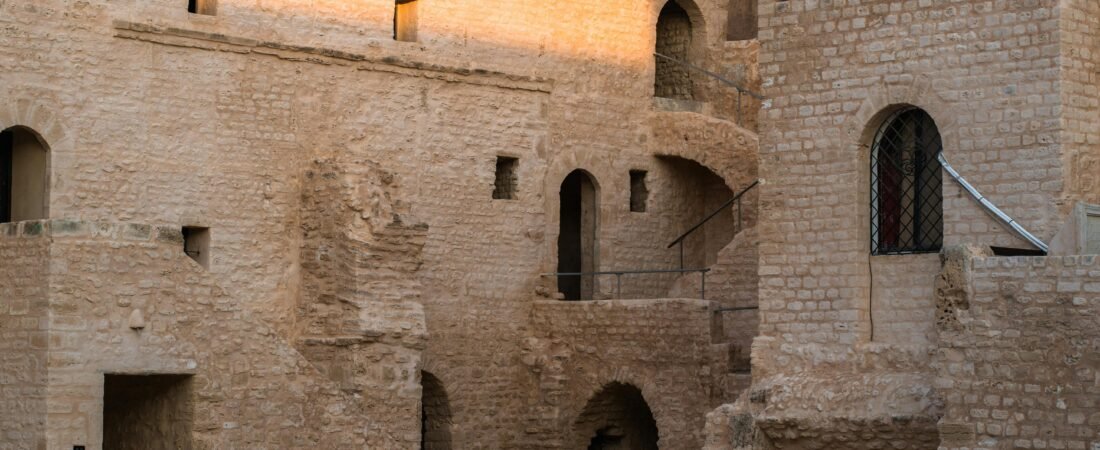
Exploring the Enduring Appeal of British Sandstone: Architectural Insights and Innovations
Did You Know? Sandstone Has Shaped British Architecture for Centuries
British sandstone, with its remarkable texture and durability, has carved a prominent niche in the world of architecture. For centuries, it has been the stone of choice for builders seeking both beauty and strength. Its unique properties and historical usage continue to inspire modern architects to explore new design opportunities.
The Origin and Properties of British Sandstones
Sandstone, particularly from regions like Yorkshire and the Cotswolds, boasts a rich geological history. This sedimentary rock is composed of compressed sand grains, predominantly quartz, cemented together over millennia. The result is a stone with a characteristic rough texture that adds a tactile quality to any structure.
- Color Variance: Ranges from warm golden to subdued gray, providing versatile visual palettes.
- Durability: Natural resilience against erosion makes it ideal for the UK’s often harsh climate.
- Workability: Easy to carve, allowing for intricate details that other stones might not support.
Historical and Architectural Context
Sandstone has played a pivotal role in British architecture, from its use in 19th-century Victorian Gothic revival buildings to traditional English country houses. Iconic structures, such as York Minster and many Edinburgh buildings, exemplify its enduring appeal. The stone’s availability locally reduced transportation constraints while aligning with period-specific architectural techniques.
In these historical contexts, sandstone was not just a building material; it was a marker of durability and regional identity. Its partnership with the architectural styles of the time created structures that were both grand in scale and rich in detailed ornamentation.
The Cultural and Technical Relevance of Using Sandstone
Choosing to incorporate sandstone in architectural designs carries both cultural and technical considerations. Culturally, it resonates with a sense of place; buildings crafted from local stone often feel more harmonious within their surroundings. This harmony enhances the architectural narrative, anchoring modern designs within a broader historical context.
Technically, the use of sandstone demands careful consideration. Modern architects must navigate the challenges of stone conservation and adapt historical techniques to contemporary needs. Nevertheless, its inherent environmental benefits, such as thermal mass that contributes to energy efficiency, support sustainable design principles.
Rethinking Sandstone: A Call to Innovation
Embracing the tactility and natural beauty of British sandstone in contemporary architecture is more than a nod to tradition—it’s an invitation to innovate. By marrying historical techniques with modern technology, architects can capitalize on the stone’s timeless appeal, crafting structures that not only echo the past but decisively point towards a sustainable future.