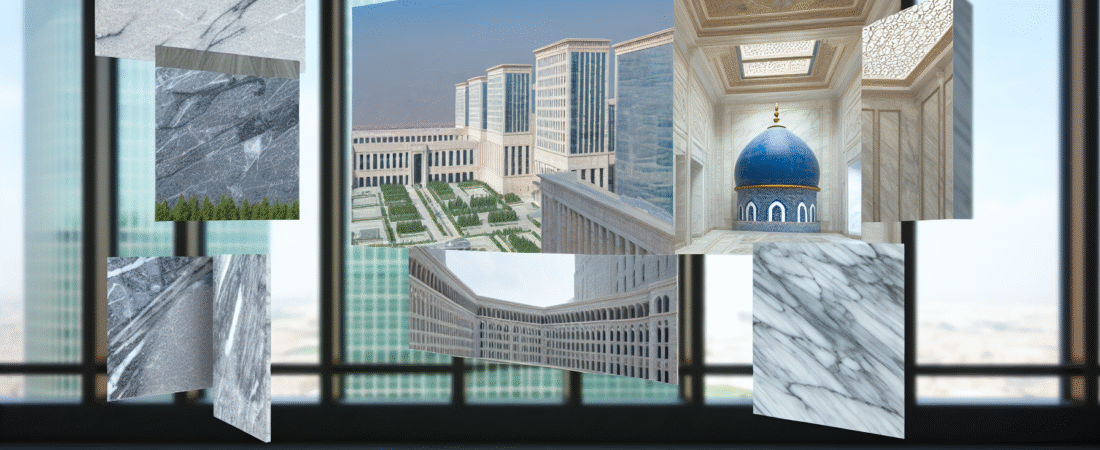
Marble has long been celebrated for its beauty and durability, making it a favorite in architectural and interior design. This article delves into various aspects of marble, including cladding, polished interiors, notable British projects, restoration techniques, and sustainable sourcing. Discover how this timeless material continues to shape contemporary spaces and civic buildings, all while highlighting its sustainable qualities.
Understanding Marble Cladding
Marble cladding is a prominent feature in modern architecture, celebrated for its breathtaking aesthetic and superior performance. This form of cladding plays a crucial role in enhancing the exterior of buildings, transforming their overall appearance while providing a range of practical benefits. One of the primary advantages of marble cladding is its ability to elevate a structure’s sophistication. The natural veining and rich color variations found in marble create a stunning visual impact, making any building appear more elegant and timeless. Architects and designers frequently utilize marble cladding to create striking facades that captivate viewers, turning ordinary structures into extraordinary landmarks.
Moreover, marble’s durability is a significant advantage in the context of external applications. With the ability to withstand harsh weather conditions and resist fading, marble cladding can maintain its aesthetic appeal over the years. Properly installed marble can last for decades without significant degradation, making it a worthwhile investment for building exteriors. Unlike many other materials, marble is resistant to UV radiation, ensuring that its colors remain vibrant even under intense sunlight. Additionally, its natural properties help resist mold and mildew, which are common issues in areas with high humidity.
Maintenance considerations are essential when selecting marble cladding for a project. Although marble itself is sturdy, it is crucial to ensure that the surfaces are sealed to prevent staining and water absorption. The use of a high-quality sealant can enhance the longevity of the marble and make maintenance more manageable. Regular cleaning using non-abrasive materials and solutions specifically designed for stone helps retain the marble’s lustrous appearance. However, it is important to avoid harsh chemicals that can erode the marble’s surface over time.
Marble cladding also creates a seamless integration with various architectural styles, from modern to classical. Projects utilizing British marble often showcase unique regional characteristics that add a distinct touch to any design. For instance, the incorporation of local marble types not only promotes regional craftsmanship but also contributes to the character of civic buildings and cultural landmarks. Such considerations have made the use of marble cladding a popular choice in the United Kingdom, where architects are increasingly inspired by the natural beauty of Carrara marble—a type synonymous with luxury and elegance.
The versatility of marble cladding extends beyond mere aesthetics. It can be used in various applications, including commercial buildings, residential homes, and public spaces, offering countless possibilities for creative expression. The adaptability of marble as a cladding material ensures that it can be tailored to fit the specific needs of a project, whether that means achieving a sleek, modern facade or a classic, ornate exterior.
In conclusion, marble cladding stands out as a versatile, durable, and sophisticated solution for enhancing exterior architecture. Its natural beauty not only captivates but also contributes to the structural integrity of buildings. With proper maintenance and thoughtful application, marble cladding continues to be a favored choice for architects and designers seeking to create lasting impressions through elegant and sustainable architectural solutions.
Polished Marble Interiors
Polished marble interiors have long been synonymous with luxury and sophistication, captivating homeowners and designers alike with their timeless allure. The elegant finish of polished marble enhances spaces, creating a sense of opulence while showcasing the unique veining and color variations inherent in each slab. As marble continues to evolve in its applications, its use in interior design has proven to be both versatile and enduring, maintaining its status as a sought-after material for various elements within a home.
Common applications of polished marble in interiors include flooring, countertops, and wall finishes. As a flooring choice, polished marble not only provides an eye-catching aesthetic but also offers durability and resistance to wear, making it suitable for high-traffic areas. When used in kitchens and bathrooms, polished marble countertops bring a distinctive charm, elevating the space while offering a practical work surface. The coolness of marble also serves a functional purpose, as it can help keep food fresh when rolled out for preparation. In living areas, marble walls lend an architectural elegance, enhancing the visual depth of a room and creating a seamless flow between indoor and outdoor spaces.
While the elegance of polished marble is undeniable, the maintenance of such finishes presents unique challenges. To preserve the shine and beauty of polished marble, regular care is essential. It is advisable to clean surfaces with a soft cloth and a pH-balanced cleaner specifically designed for marble, which helps to avoid dullness and etching caused by acidic substances. For spills, especially those from acidic drinks such as citrus juices or vinegar, blotting the surface immediately is crucial to prevent staining. Furthermore, applying a high-quality sealant can help protect the surface and prolong its polished appearance, ensuring that the material remains as stunning as the day it was installed.
In the context of contemporary design, polished marble can be seamlessly integrated with other materials, often contrasting its classic look with modern elements like metal or glass. This trend is seen in the resurgence of mixed material design, where polished marble acts as the focal point against sleek, minimalist surroundings. By combining polished marble with natural woods or industrial metals, designers create a balanced aesthetic that honors both tradition and innovation.
Moreover, the use of polished marble in civic buildings remains a testament to its regal character. Not only does it convey a sense of permanence and stability, but it also connects historical significance with modern functionality. Marble plays a pivotal role in governmental and public structures, where its inherent beauty is meant to inspire awe and respect. As architects continue to explore innovative applications of polished marble, the material’s versatility shines, offering new dimensions to traditional spaces.
As the demand for polished marble persists, it becomes crucial to consider sustainable sourcing practices. Ensuring that marble is responsibly quarried can mitigate the environmental impact associated with marble production. By advocating for sustainable marble options, designers can promote environmentally conscious choices that reflect a commitment to preserving both the material’s beauty and the planet. In the end, polished marble interiors stand as an enduring symbol of opulence, appealing to contemporary aesthetics while honoring the rich heritage of architectural design.
Iconic British Marble Projects
Marble has played a significant role in the architectural landscape of the United Kingdom, particularly through its integration into civic buildings and landmark constructions. Notable British marble projects showcase not only the material’s aesthetic appeal but also its historic and cultural significance. Structures like the National Gallery in London exemplify how marble can imbue a sense of grandeur and permanence, a necessary quality for institutions dedicated to art and culture.
The National Gallery, completed in 1838, features both interior and exterior marble detailing. The Portland stone façade harmonizes with the subtle grandeur of the interiors, where marble columns and floors enhance the gallery’s overall elegance. The use of marble provides an enduring quality that reflects the permanence of art and the cultural values it represents. The British Museum is another iconic example where marble has been utilized not just for visual appeal but as a symbol of knowledge and enlightenment. The museum’s Great Court boasts a spectacular glass roof complemented by the magnificence of the marble flooring and columns, presenting a historical texture aligned with the importance of the artifacts contained within.
Marble’s prominence in British civic architecture is also represented through structures like the Westminster Cathedral. This Roman Catholic cathedral, crafted from a mix of materials, features Italian and British marble in various sections. The meticulous detailing in the ornate marble altar and the intricately carved columns showcases the ability of marble to elevate sacred spaces, evoking both reverence and awe. Each polished surface reflects the dedication and craftsmanship that has been invested in its creation, embodying spiritual significance as well as aesthetic value.
In the realm of contemporary design, marble continues to mark its territory through innovative projects. The design of high-profile residential buildings often incorporates marble for both external cladding and internal features. The newest skyscrapers in London, while standing as modern symbols of Britain’s architectural evolution, have embraced marble for its timeless elegance. Facades clad in marble not only enhance the luxury presence of these buildings but also allow for thermal advantages, reflecting heat in summer while maintaining warmth in winter.
The practices surrounding marble restoration have also gained traction in recent years, preserving heritage buildings to ensure that future generations can appreciate their historical value. Skilled craftsmen work diligently to restore marble surfaces, rejuvenating sinks, staircases, and facades. This restoration process reinforces the significance of marble as a long-lasting material, capable of enduring decades, if not centuries, of wear and tear.
Sustainability is crucial in today’s architectural practices, and noteworthy projects are increasingly focusing on ethically sourced marble. The UK has seen a rise in local quarries utilizing responsible extraction methods, ensuring that the environmental impact is minimized. This new direction aligns with contemporary values, keeping marble relevant while still celebrating its classic beauty.
Through significant buildings and contemporary projects alike, British marble continues to embody a blend of tradition and innovation. It stands as a testament to the craftsmanship and artistry that transform structural elements into iconic landmarks, echoing both the past and the possibilities of the future.
The Legacy of Carrara Marble in the UK
The presence of Carrara marble in the UK marks a significant aspect of architectural history and design, shaping the aesthetic landscape through its elegant characteristics. Sourced from the quarries of Carrara in Tuscany, Italy, this marble has found its way into a myriad of British landmarks, showcasing its historical importance and unique qualities that have captivated architects and designers alike.
Carrara marble is widely admired for its pure white and blue-grey hues, offering a timeless elegance that enhances visual appeal. Its fine grain and ability to take a high polish make it an ideal choice for both structural and decorative applications. In the UK, the marble became notable during the 18th and 19th centuries when it was often employed in grand projects, aligning with the neoclassical architecture that dominated the era. Its allure lies not only in its appearance but also in its workability; artists and craftsmen have found it an excellent medium for sculpting and detailing.
One major installation that highlights the significance of Carrara marble in British architecture is the British Museum in London. The museum’s majestic façade is adorned with solid Carrara marble columns, which epitomize the grandeur of classical design. Within the museum, Carrara marble can be found in various exhibits and sculptures, adding to its cultural and aesthetic value. Similarly, the Royal Albert Hall features Carrara marble prominently in its interiors, showcasing the material’s versatility and timelessness.
The impact of Carrara marble is not limited to historic buildings and civic structures; it extends to contemporary design. Today, architects and interior designers in the UK incorporate Carrara marble into modern projects, blending traditional elegance with sleek, contemporary design elements. This integration reflects a growing appreciation for materials that convey both luxury and history, making Carrara marble a luxurious choice for high-end residences, commercial spaces, and public buildings.
Moreover, the relationship between Carrara marble and the UK speaks to a larger narrative of international trade and cultural exchange. The marble’s journey from the Carrara quarries to British landmarks embodies the fusion of Italian craftsmanship and British architectural innovation. It also poses challenges regarding sourcing, as the emphasis on sustainability now calls for responsible extraction practices to ensure that this beloved material remains available for future generations.
British architects are increasingly seeking sustainable marble sourcing solutions to minimize environmental impact while still embracing the beauty of Carrara marble. This trend involves exploring quarries that prioritize ethical practices and the careful management of resources, reflecting a broader commitment to responsible design in the industry.
As Carrara marble continues to be a favored choice for both restoration and new projects, its legacy in the UK remains influential. The storied history and unique properties of this Italian marble not only enrich the architectural narrative of the UK but also serve as an enduring inspiration for current and future generations of architects and designers seeking to create spaces that resonate with a blend of elegance, tradition, and innovation.
Marble Restoration Techniques
Marble restoration is an essential practice that ensures the longevity and beauty of marble installations, especially those with historical significance. The preservation of these features not only respects the craftsmanship but also maintains the cultural integrity of the structures. Proper restoration techniques can breathe new life into worn and damaged marble surfaces, allowing the elegance of this natural stone to shine through once more.
One of the foundational steps in marble restoration is **cleaning**. Over time, marble surfaces accumulate dirt, grime, and other residues that can dull their luster. This process typically involves the use of pH-neutral cleaning solutions specifically designed for marble. Harsh chemicals can etch or damage the stone, so care must be taken to employ gentle methods. For initial cleaning, a soft cloth or sponge can effectively remove surface debris, while specialized marble cleaners can address more ingrained stains. In cases where dirt is particularly stubborn, professionals may use gentle abrasive pads, ensuring they do not compromise the integrity of the marble.
Following cleaning, **polishing** is an integral part of marble restoration that rejuvenates the surface. Polish not only enhances the marble’s natural shine but also helps to protect it from future damage. Various polishing techniques can be employed, such as diamond polishing, which utilizes fine diamond abrasives to refine the surface and restore its original gloss. This technique can be particularly effective for deep scratches and wear marks, providing a flawless finish that captures the eye. Regular polishing is recommended, especially in high-traffic areas, to maintain the marble’s beauty and durability over time.
In cases of severe damage, **repair** becomes necessary. Such repairs might include filling holes, chips, or cracks. Epoxy resins or specialized marble fillers can be used to seamlessly blend repaired areas with the surrounding stone. Skilled artisans often color-match these fillers to ensure an invisible repair. For larger cracks, a more extensive approach may involve reshaping the damaged area, ensuring that the marble’s original aesthetic is preserved.
**Re-grouting** of marble flooring is another vital restoration technique, particularly important in maintaining the integrity of the marble itself. Over time, grout can become discolored or cracked, adversely affecting the overall visual impact. Removing and replacing the grout with new material not only enhances the appearance but also helps protect the stone from moisture penetration, which can lead to further damage over time.
Beyond these techniques, **preventive maintenance** plays a crucial role in marble preservation. Regularly sealing the marble can protect it from staining and etching, particularly in areas prone to spills or heavy use. Selecting the appropriate sealant—one that is breathable and suitable for the specific type of marble—will ensure that the stone retains its properties without trapping moisture beneath the surface.
The importance of restoring historic marble features cannot be overstated. These surfaces are often integral to the identity of the structures they inhabit, telling stories of artistry and craftsmanship from eras gone by. From the elegant corridors of stately British homes to the pristine surfaces of renowned public buildings, the restoration of marble not only revives the aesthetic value but also reinforces the cultural narratives that they represent, ensuring they continue to be cherished for generations to come.
Marble in Civic Buildings
Marble has played an indispensable role in the realm of civic architecture, often serving as a defining element that embodies authority, durability, and permanence. This stone has been the preferred choice for governmental buildings, museums, and public monuments, symbolizing the stability and integrity of institutions that shape society. The allure of marble lies not only in its aesthetic charm but also in its profound historical resonance, as it has served as a unifying material that connects contemporary designs with ancient legacies.
Historically, marble has been used in grand edifices since antiquity, where civilizations from the Greeks to the Romans embraced its beauty and permanence. Architects employed marble to construct temples, government buildings, and monuments that conveyed messages of power and reverence. The Parthenon in Athens, for instance, highlighted the importance of marble in representing civic pride and cultural heritage. The influence of these ancient structures continues to permeate modern civic designs, as architects seek to evoke similar feelings of respect and admiration.
In the context of civic architecture, the choice of marble often signifies more than mere aesthetics; it is a deliberate statement of intent. Governments and public institutions employ marble to instill a sense of trust and permanence within the community. Courthouses, city halls, and legislative buildings fashioned from marble evoke legitimacy and uphold the ideals of justice and governance. The use of polished marble can create an air of formality that is traditionally associated with public authority, effectively rendering the institutions more approachable yet dignified.
British marble projects, such as the interior detailing of the Houses of Parliament, exemplify how this stone has been utilized in civic projects to connect with national identity. These structures employ British varieties of marble, linking the material to the cultural fabric of the nation. Furthermore, the attention to architectural detail—such as intricate carvings and imposing columns—paired with the natural beauty of marble serves to create a sense of timelessness. Such elements not only communicate the aspirations of the civic body but also enhance the aesthetic landscape of the city.
Carrara marble, while famed for its purity and excellence, has also found a prosperous niche in the UK, where its installation is celebrated in numerous public sectors. Its use aligns with a broader narrative in civic architecture, where the interplay between beauty and functionality is paramount. Governments purposefully select high-quality marble to uphold public spaces, indicative of their commitment to creating environments that encourage civic engagement and pride.
The durability of marble ensures that features created centuries ago can still be seen today, but its relevance extends beyond historical preservation. As restoration efforts focus on existing marble installations, maintaining these symbols of integrity becomes an essential aspect of cultural stewardship. The reverence for marble amplifies in the context of civic buildings; they serve as historical markers and community anchors, emphasizing the responsibilities of civic leaders and citizens alike.
Marble’s significance in civic architecture is a blend of history, symbolism, and aesthetic power, giving it a unique role in shaping public spaces. The choice to employ this enduring material reflects not only an appreciation of beauty but also a commitment to creating structures that endure and inspire future generations. As functional as it is symbolic, marble remains an iconic choice for civic architecture, grounding society in its enduring values.
Sustainable Marble Sourcing Practices
Sustainable sourcing practices are increasingly important in the context of marble extraction, particularly as awareness of environmental issues grows. The elegance of marble, while visually striking and historically significant in civic architecture, comes with environmental responsibilities that warrant thorough consideration. Ethical quarrying provides one avenue through which the marble industry can seek to minimize its ecological footprint. This practice encompasses careful selection of quarry sites, employing methods that avoid excessive land disruption, and using technologies that significantly reduce waste during extraction.
In traditional marble extraction, quarrying can lead to substantial destruction of the landscape, thus greater emphasis on ethical quarrying means relying on less invasive methods. Techniques such as selective extraction allow for careful sampling of marble without removing entire mountainsides or disrupting surrounding ecosystems. Craftspeople and quarry managers are increasingly adopting these practices, often opting for equipment that minimizes the volume of overburden removed and reduces the energy needed to extract raw materials. As a result, this not only aids in preserving nearby flora and fauna but also fosters a sustainable relationship between quarrying operations and local communities.
Environmentally-friendly production methods also play a pivotal role in sustainable marble sourcing. The marble processing industry has been known for its significant consumption of water and energy, as well as its generation of waste. Innovative approaches to water recycling and efficient energy use are transforming the marble production landscape. Some companies are implementing cutting-edge technology that captures and reuses water from the cutting and polishing processes, significantly lessening water usage. Renewable energy sources, such as solar or wind power, are being integrated into production facilities, further reducing the carbon footprint associated with marble processing.
Moreover, ethical quarrying and production methods must involve transparency in supply chains. The push for certifications, both for sustainably sourced materials and for minimal-impact production, is growing. Customers increasingly demand proof of ethical sourcing, and companies responding to this trend can set themselves apart in a competitive market. This demand leads to more responsible mining practices, which minimize the ecological impact and promote the welfare of workers in these environments.
Certain countries, such as Italy and Greece, are renowned for their high-quality marble, but the environmental toll of extracting these materials is a pressing concern. In the UK, where the demand for Carrara marble has surged, vigilance is required in ensuring that marble sourced from abroad continues to align with sustainable practices. Domestic marble options also exist, encouraging architectural projects to consider local sourcing, not just to reduce carbon emissions associated with transportation but also to support local communities and economies.
As the architecture and design industries increasingly emphasize sustainability, architects and designers find themselves at the forefront of this movement. The aesthetic appeal of marble can still be celebrated while adhering to sustainable practices, promoting a future in which timeless elegance complements ecological responsibility. By fostering thoughtful sourcing and environmentally-conscious production methods, the marble industry can better align itself with the broader goals of sustainable architecture and design.
Architectural Marble Detailing
Architectural detailing in marble is a testament to the artistry and skill inherent in architectural design. The intricate patterns and textures achieved through careful craftsmanship elevate marble from a mere construction material to a sophisticated element that enhances the aesthetic appeal of a structure. From residential spaces to grand civic buildings, the detailing of marble plays a crucial role in defining the character and elegance of architectural endeavors.
Craftsmanship is paramount when it comes to marble detailing. Highly skilled artisans employ a variety of techniques to embellish marble features, ensuring each piece contributes to the overall design narrative. One of the most notable techniques is **carving**, which allows artisans to create stunning decorative motifs, including floral patterns, geometric designs, and even custom insignias that resonate with the building’s purpose or the client’s vision. Each carved element not only adds visual intrigue but also serves to personalize a project, making it unique and reflective of the story it aims to tell.
**Inlay work** is another prominent technique used in marble detailing, often seen in floors, walls, and countertops. This process involves embedding pieces of contrasting marble or other materials, creating intricate mosaics that are as functional as they are beautiful. The vibrant colors and textures achieved through inlay work can produce stunning visual contrasts while enhancing the overall design scheme. Such intricate designs require precision and a deep understanding of materials’ properties, highlighting the artisan’s expertise and attention to detail.
“**Polishing**” is frequently employed to achieve a smooth and reflective finish on marble surfaces, enhancing the natural beauty of the stone. The gloss of polished marble reflects light, creating a sense of spaciousness and brilliance within interiors. Artisans use diamond polishing pads to bring out the best in each slab, further accentuating the veining and color variations that define various marble types, such as the celebrated Carrara marble, widely sought after in the UK for its exquisite beauty.
Moreover, special techniques such as **water-jet cutting** have revolutionized marble detailing, allowing for precision and creativity in custom designs that were previously limited. This technology enables intricate shapes and patterns to be cut from large slabs, ensuring that no two projects need look alike. Such advancements empower architects and designers to push the boundaries of traditional marble applications, blending classic elegance with modern sensibilities.
Marble detailing is not confined to aesthetic purposes; it also supports structural integrity when utilized correctly. In civic buildings, for instance, expertly detailed marble columns and facades can amplify a sense of permanence and authority. The use of marble within the context of public architecture speaks volumes about the values and aspirations of the society it represents, showcasing a commitment to excellence and longevity.
As the industry evolves, the emphasis on craftsmanship in marble detailing remains a vital component, especially when juxtaposed with innovative sustainable practices in marble sourcing. This marriage of fine artistry with responsible production embodies a future where luxury, aesthetics, and environmental consciousness coexist. The refined detailing of architectural marble continues to inspire, reminding us that in the hands of skilled artisans, marble transcends its status as a mere building material to become a brilliant expression of art and heritage.
Contemporary Uses of Marble
Contemporary design trends have breathed new life into marble, embracing its luxury and adaptability while juxtaposing it with minimalist aesthetics and avant-garde expressions in modern architecture. In a world where the race towards sustainability and functionality is prominent, marble stands out not merely as a vestige of classical design but as a versatile material suited for contemporary innovation.
Minimalistic interiors have gained traction, showcasing marble’s ability to harmonize with understated elegance. Designers employ large slabs of unembellished marble to create seamless surfaces that exude sophistication without overpowering other design elements. This use of marble allows for clean lines and a refined palette, providing a canvas that enhances natural light and spatial dynamics in a room. The simplicity of polished white Carrara marble, for example, delivers a luminous quality that is both calming and striking in modern spaces. Combined with minimalist furniture, the marble floor or wall can draw attention to its inherent beauty while maintaining an air of quiet sophistication.
Conversely, innovative architects and designers are amplifying marble’s impact by leveraging its textural varieties and striking colors to make bold design statements. Unique veins and hues found in British marbles, such as the rich, golden tones of Hopton Wood or the striking blue of Derbyshire marble, are boldly showcased as focal points in lobbies, galleries, and residential projects. This transition from being an expansive backdrop to a piece of art in its own right marks a significant evolution in how marble is perceived in contemporary design.
Collaborations celebrating craftsmanship have emerged, where seasoned artisans and cutting-edge designers come together to reinterpret traditional marble uses in new contexts. Sculptural installations and bespoke furniture crafted from meticulously sourced marbles reflect this trend. Designers like Zaha Hadid have audaciously integrated marble into furniture and wall art, pushing the boundaries of how the material is employed in spatial design. The result is a dialogue between the material’s permanence and the fleeting nature of contemporary art forms, illustrating that marble can be both a timeless medium and a vehicle for modern exploration.
Moreover, the trend towards sustainable architecture is fostering innovative approaches to marble sourcing. With an increasing emphasis on responsible building practices, designers are now focusing on ethically sourced materials, ensuring that the extraction processes respect both the environment and the communities involved. This shift not only advances sustainability in design but also adds a story to the marble, enhancing its value and meaning in architectural contexts.
Contemporary marble use also extends to civic buildings, where its grandeur and resilience symbolize permanence and stability. From government buildings to cultural institutions, innovative applications of marble serve as a nod to history while inviting a new generation to appreciate its charm and versatility. In these spaces, marble is no longer merely a decorative element; instead, it becomes integral to the identity and aesthetic of the structure itself, bridging tradition with contemporary dialogue.
In exploring these innovative applications of marble, the contemporary design landscape reveals a material that defies its historical confines. It invites designers to rethink its possibilities, encouraging a marriage of practicality with artistry that continues to redefine marble’s role in architecture. As the world of design progresses, the potential for marble to enhance both aesthetic and experiential qualities in spaces is boundless, paving the way for future innovations.
The Future of Marble in Design
As we look ahead, the role of marble in architectural and interior design is set to evolve, influenced by a blend of sustainability demands, technological advancements, and shifting aesthetic preferences. The material’s natural elegance and enduring appeal continue to resonate well beyond traditional applications, encouraging architects and designers to explore innovative ways to incorporate marble into contemporary projects.
One emerging trend is the focus on sustainability in marble sourcing. With increasing awareness about the environmental impact of quarrying, the marble industry is moving toward more sustainable practices. This includes responsible quarrying operations that minimize environmental disruption and the adoption of recycling methods. The integration of reclaimed marble from historical buildings into new projects not only offers a sustainable alternative but also tells a story, adding a distinctive character that resonates with modern eco-conscious consumers.
Technological advancements are also reshaping how marble is processed and utilized. Cutting-edge techniques such as water-jet cutting and computer numerical control (CNC) machinery enable unprecedented precision in shaping and detailing marble, allowing for intricate designs that were once considered impractical. This elevates architectural marble detailing, making it possible to produce custom-fitted elements that enhance overall aesthetics and functionality. In addition, advancements in surface treatments and finishes are deepening the versatility of marble, enabling designers to create textures and appearances that align with various style trends, from the rustic to the ultra-modern.
As the desire for bespoke interiors grows, polished marble is making a strong comeback, yet in new, unexpected guises. Designers are experimenting with contrasting finishes, combining polished surfaces with honed or textured variations to create depth and visual interest. This approach not only highlights marble’s elegance but also accommodates diverse design narratives, allowing it to transcend being a mere backdrop to become a focal point in rooms.
In the realm of civic buildings, marble is anticipated to maintain its prestigious status while adapting to contemporary demands for multifunctionality and community engagement. Public structures, such as libraries and city halls, are likely to embrace marble with thoughtful designs that reflect local heritage while integrating modern functionality. This evolution can forge a stronger connection between community and architecture, showcasing marble as a symbol of stability and permanence in rapidly changing urban landscapes.
Furthermore, the future of marble in design will likely include collaborative projects that merge artisanal skills with modern technology. Techniques such as 3D printing could facilitate the creation of uniquely contoured marble features that cater to specific design visions, while also accommodating the need for faster production times.
Lastly, we may anticipate a resurgence of British marble in local projects that celebrate regional identity, as it aligns with a preference for locally sourced and regionally significant materials. This shift not only supports local economies but also contributes to the narrative of sustainability that modern consumers increasingly prioritize.
Through the confluence of sustainability, technology, and innovative design, marble is primed to adapt and thrive in the architectural and interior design landscapes of the future, proving that its classic allure can bridge the past, present, and future creatively and responsibly.
Conclusions
Marble remains an enduring symbol of elegance and craftsmanship. From its extraordinary applications in civic architecture to its role in sustainable design, marble’s versatility is unmatched. As we embrace contemporary uses and innovative restoration techniques, we ensure that this timeless material continues to inspire future generations while respecting the planet’s resources.