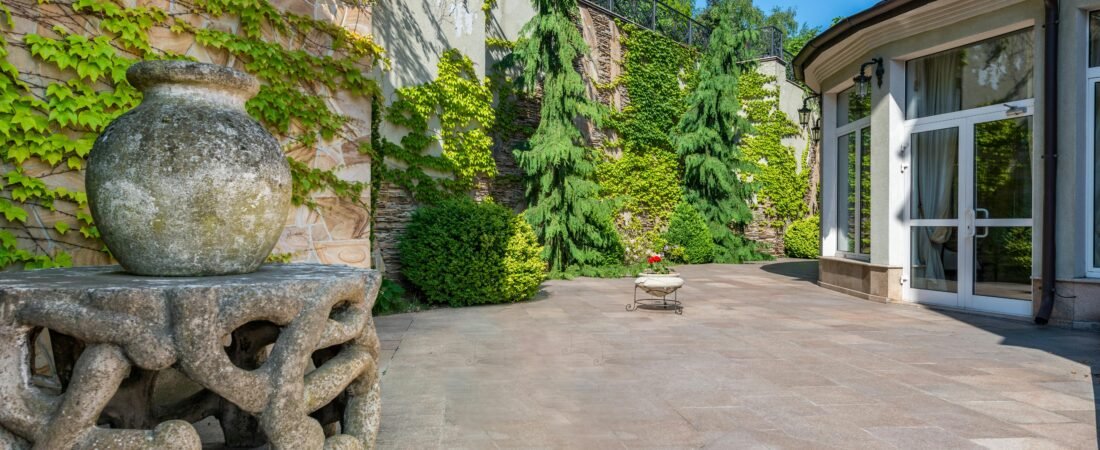
The Timeless Allure of Cotswold Stone: Harmonizing Architecture in the Heart of the UK’s National Parks
Did you know that Cotswold stone has been a cornerstone of English architecture, not only preserving the essence of bygone eras but also enhancing the natural beauty of the countryside?
Stone Origin & Unique Properties
Cotswold stone, a treasured limestone variant, is sourced from the vibrant Cotswold hills in south-central England. Known for its warm, honey-colored hues, this stone is characterized by its porous texture and remarkable ease of shaping—an attribute that made it a favorite among builders dating back to medieval times.
Historical & Architectural Context
In the heart of the UK’s celebrated national parks, Cotswold stone buildings stand as monumental symbols of the region’s rich history. The architecture here predominantly features the classical English cottage style, where the tasteful presentation of Cotswold stone echoes the landscapes’ rolling hills and lush greenery. Such structures often function as rural dwellings, historical landmarks, and cultural preservation sites, emphasizing the cultural integrity of the area.
Technical Relevance and Construction Techniques
The technical marvel of using Cotswold stone lies in its inherent workability, allowing for precise cutting and fitting. Stone masons have historically employed techniques such as dry-stone walling, a sustainable method that requires no mortar, thus maintaining ecological harmony with the surrounding lands. This technique not only ensures physical durability but also preserves traditional craftsmanship.
Symbolic, Cultural, and Structural Relevance
Cotswold stone extends beyond mere building material; it is a representation of cultural heritage and identity. The stone seamlessly integrates with the pastoral landscape, symbolizing the enduring relationship between human ingenuity and nature’s creations. Architecturally, it reinforces the idea of sustainability and respect for the environment, asserting the significance of locally sourced materials over industrial equivalents.
The intrinsic qualities of Cotswold stone enhance not just the visual aesthetics but also contribute to the timeless appeal of these historic structures, ensuring that they resonate with both historical admiration and modern architectural appreciation.
The timeless appeal of natural stone proves that nature’s materials continue to outlast trends, serving as inspiration for sustainable design in a rapidly evolving world.